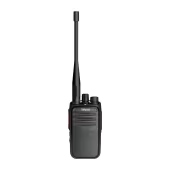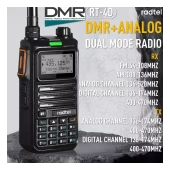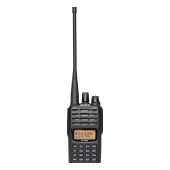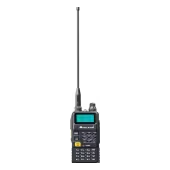

Why is D40 better than FT-710 AESS?
D40 has no measurable advantages in this pair.
Why is FT-710 AESS better than D40?
FT-710 AESS has no measurable advantages in this pair.
Specifications
Side by side
| Radio & range | ||
| Radio standards | VHF, UHF, DMR | Amateur |
| Licence | Amateur licence | Amateur licence |
| Digital mode (DMR / dPMR) | Yes | — |
| Dual band (VHF + UHF) | Yes | — |
| Frequency ranges | 136–174 MHz, 400–470 MHz | — |
| Transmit power | — | 100 W |
| Squelch | — | adjustable |
| Power & battery | ||
| Battery voltage | — | 13.8 V |
| Power source | — | Mains / 12 V vehicle |
| USB-C charging | — | No |
| Design & durability | ||
| Weight | — | 4,500 g |
| Width | — | 239 mm |
| Height | — | 80 mm |
| Depth | — | 247 mm |
| Protection rating | IP54 | — |
| Water protection (IPx) | IPx4 | — |
| Display | — | Backlit display |
| Colours | — | Black |
| Features | ||
| VOX (hands-free) | — | Yes |
| Channel scan | — | Yes |
| Connectivity | ||
| Headset / earpiece jack | — | Yes |
| Connectors | — | 3,5mm Klinke, RJ-45 Mikrofonbuchse, USB-A |
| Radios in the base pack | — | 1 |